

Vitamin B6 is a small family of molecules (pyridoxine, pyridoxal, pyridoxamine) that the body converts into one active form, pyridoxal-5'-phosphate or P-5-P. In that form it is the cofactor of more than 100 enzymatic reactions, including the ones that turn amino acids into serotonin, dopamine and GABA. And it has a less famous job: it helps magnesium cross the cell membrane. That is why, in a French randomised trial on stressed adults with low magnesium, the magnesium + B6 pairing did better than magnesium alone.
1. Vitamin B6 in a few markers
2. Why magnesium needs B6: the four steps
Step 1 · Stress drains magnesium
Adrenaline and cortisol push magnesium out of cells and increase its loss in urine. A low status, in turn, makes the stress response stronger. The vicious circle is well documented; the question is how to break it.
Step 2 · B6 opens the door
Magnesium in the blood is not the point: what matters is magnesium inside the cell. Vitamin B6 helps its transport across the membrane and its retention. In a small 1981 study, supplementing B6 alone raised red-blood-cell magnesium in women with premenstrual symptoms.
Step 3 · The trial that tested the pair
Pouteau and colleagues (2018) gave 264 stressed adults with low magnesium either magnesium alone or magnesium + B6 for 8 weeks. Both groups improved. In the most severely stressed participants, the pairing reduced the stress score about 24 % more than magnesium alone.
Step 4 · Same enzymes, same chemistry
Magnesium and P-5-P are cofactors of hundreds of enzymes, sometimes the very same ones, including those that make neurotransmitters and release energy from food. Supplying one without the other is like sending a locksmith without the keys.
3. The numbers worth knowing
4. True or false: what magazines and social feeds say
| The claim | Verdict | The nuance |
|---|---|---|
| "Magnesium + B6 is just marketing" | No | The pairing has a physiological basis (cell uptake of magnesium) and a randomised trial behind it. The benefit is clearest in people who are both stressed and low in magnesium. |
| "B6 gives you energy like a coffee" | False | It is not a stimulant. It helps the body extract energy from food and contributes to reducing fatigue over time; you don't feel it in the hour that follows. |
| "The more you take, the better" | False | High doses of pyridoxine taken for months have been linked to nerve damage in the hands and feet, which is why EFSA lowered the upper limit to 12 mg a day. Needs are around 1.5 mg. |
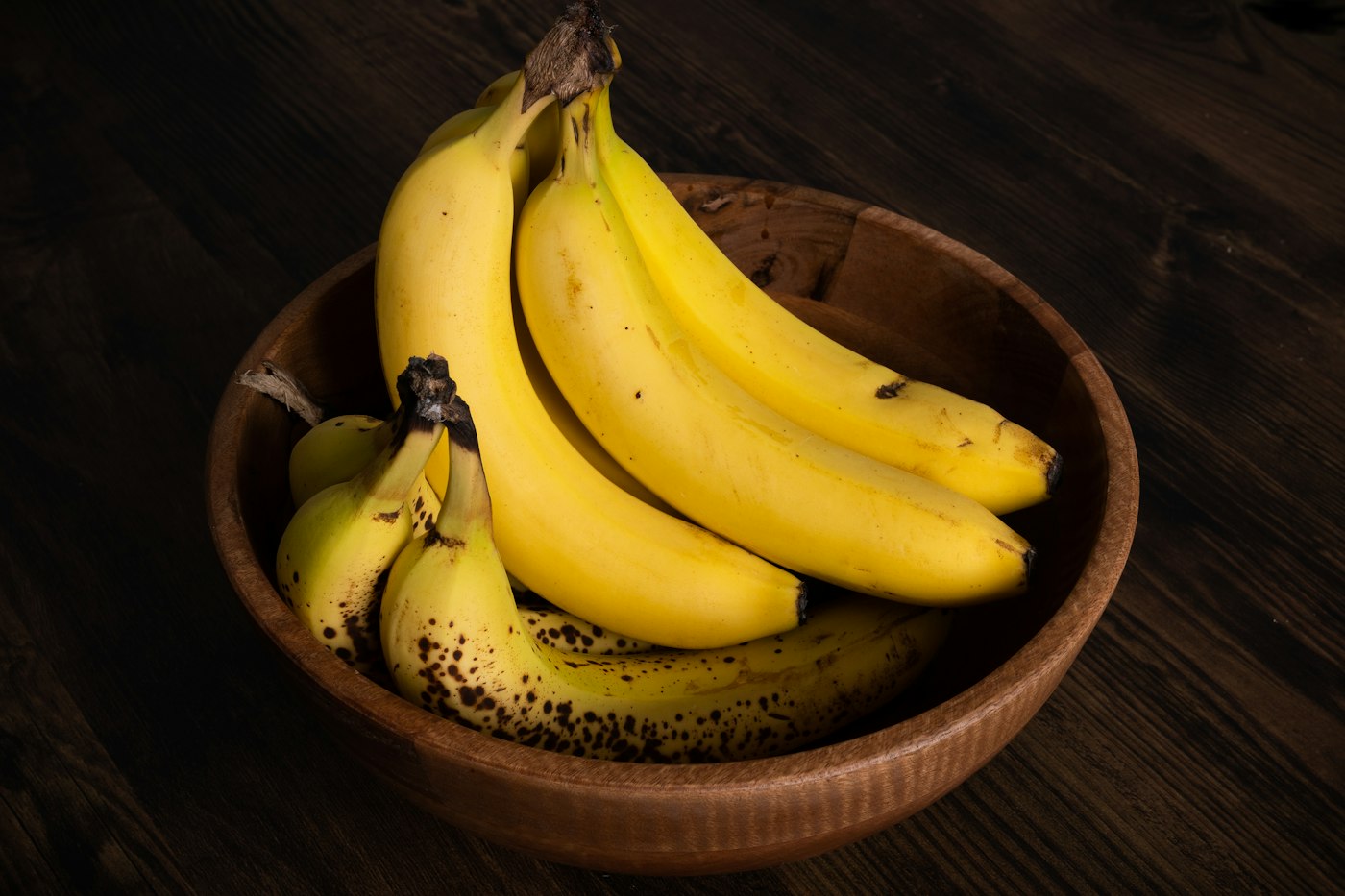
| "A banana a day covers it" | Partly | A banana provides roughly 0.4 mg, about a quarter of the daily need. Useful, not sufficient: the rest comes from pulses, fish, poultry, potatoes and nuts. |
| "The pill lowers vitamin B6" | Mostly true | Several studies find a lower B6 status in women using oral contraceptives. Not a reason to panic, a reason to look at the plate. |
Educational content, not medical advice. Pregnancy, kidney disease or ongoing treatment (notably levodopa or some antiepileptics) call for a doctor's opinion before supplementing.
5. Reading the pair on a label
B6 · pyridoxal-5'-phosphate, the active form
Already phosphorylated, P-5-P skips the liver activation step and is directly usable by the enzymes. The cheaper pyridoxine hydrochloride works too, but must be converted, and it is the form involved in the high-dose neuropathy reports.
Magnesium · bisglycinate rather than oxide
Magnesium oxide is cheap and dense but poorly absorbed. Bisglycinate, where magnesium is bound to two glycine molecules, is better tolerated and better absorbed. The label must state the elemental magnesium, not the weight of the salt.
Dose · think physiological
For B6, one to two times the reference value (1.4 to 3 mg a day) is enough to secure the status and stays far below the 12 mg limit. Formulas boasting 1,000 % or 2,000 % impress on the label and add nothing for a healthy adult.
The ratio · a supporting act, not a solo
B6 does not replace magnesium; it helps it work. A formula that gives a token amount of magnesium with a huge dose of B6 has the logic upside down. Look for a real magnesium content in a well-absorbed form, with B6 alongside at a physiological dose.
6. And day to day?
Start with the plate, for both partners: chickpeas, lentils, salmon, poultry, potatoes with their skin, bananas, pistachios, sunflower and pumpkin seeds, dark chocolate. Favour gentle cooking, since B6 is heat-sensitive. Then, in demanding periods, the pair makes sense in a supplement. That is the choice made in CALM AUTHORITY: magnesium bisglycinate and vitamin B6 as pyridoxal-5'-phosphate (2.55 mg per daily dose, 182 % of the reference value and well under the 12 mg limit), alongside L-theanine, rhodiola and Moodreal® saffron, inside a 60-second morning ritual. The quiet ally does its work; the ritual gives the day its tone.
7. Sources
- Pouteau E. et al. (2018). Superiority of magnesium and vitamin B6 over magnesium alone on severe stress in healthy adults with low magnesemia: a randomized, single-blind clinical trial. PLoS ONE — the magnesium + B6 trial.
- Abraham G. E., Schwartz U. D., Lubran M. M. (1981). Effect of vitamin B6 on plasma and red blood cell magnesium levels in premenopausal women. Annals of Clinical and Laboratory Science — B6 and intracellular magnesium.
- EFSA NDA Panel (2016). Dietary Reference Values for vitamin B6. EFSA Journal — needs and reference intakes for adults.
- EFSA NDA Panel (2023). Scientific opinion on the tolerable upper intake level for vitamin B6. EFSA Journal — the 12 mg/day upper limit and the neuropathy data.
- EFSA (2010). Scientific Opinion on vitamin B6 and contribution to normal psychological function, normal functioning of the nervous system and reduction of tiredness and fatigue. EFSA Journal.
- Parra M., Stahl S., Hellmann H. (2018). Vitamin B6 and its role in cell metabolism and physiology. Cells — the biochemistry of P-5-P.
- Wilson S. M. C. et al. (2011). Oral contraceptive use: impact on folate, vitamin B6 and vitamin B12 status. Nutrition Reviews.
- ANSES (2021). Références nutritionnelles en vitamines et minéraux. — the French recommended intakes.
Want a ritual that brings well-absorbed magnesium and active vitamin B6 into a genuinely calmer start to the day?